Botanical Illustration

Drawing the Garden
Before You Plant It

Botanical illustration has guided Italian gardeners for centuries — from the enclosed hortus conclusus of monastery gardens to modern suburban orto plots. These pages document practical methods for using drawn records to plan beds, track heirloom varieties, and observe seasonal shifts.

Plan of the Botanical Garden at Padua, 1591

Garden Notes & Illustration Methods

Practical guides drawn from the tradition of botanical documentation, applied to the specific conditions of Italian kitchen and herb gardens.

Botanical illustration of Lavandula angustifolia
Illustration Methods

Botanical Illustration as a Guide for Italian Garden Beds

How hand-drawn plant profiles function as planning tools — from spacing notes to root depth indicators — in raised vegetable and herb beds across central Italy.

Updated: May 2026 Read article
Botanical illustration of Origanum vulgare
Variety Tracking

Tracking Plant Varieties with Hand-Drawn Garden Maps

A method for recording heirloom tomato, bean, and pepper cultivars across successive seasons using annotated plot diagrams and botanical sketch notation.

Updated: May 2026 Read article
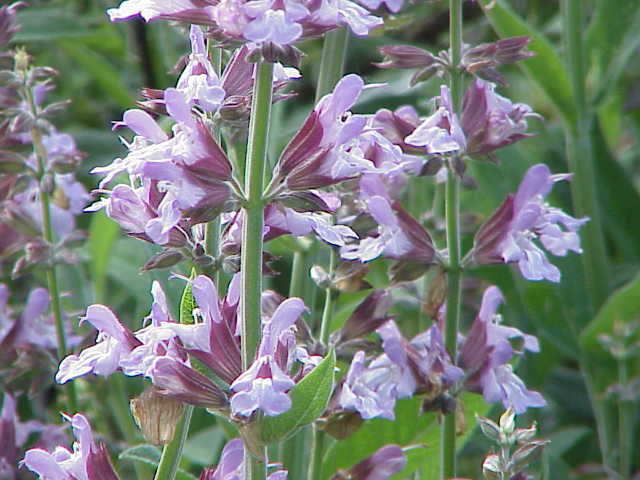
Botanical illustration of Salvia officinalis
Planting Calendar

Seasonal Planting Calendar for Central Italy

Month-by-month reference for sowing, transplanting, and harvest windows in Tuscany, Umbria, and Lazio, structured around traditional phenological observation.

Updated: May 2026 Read article

Why Illustration Still Matters in the Garden

Digital photography documents what exists. Botanical illustration records what the gardener understands — proportions, relationships, and sequence.

Spatial Reasoning

Drawing a bed plan to scale forces the gardener to resolve spacing conflicts before they appear in soil. Illustration makes abstract plant dimensions concrete.

Seasonal Record-Keeping

Annotated sketches accumulate into a multi-year reference that photographs rarely provide: which cultivar performed, what failed, and what changed between seasons.

Variety Identification

Hand-drawn profiles of leaf shape, flower structure, and fruit morphology help distinguish closely related cultivars — particularly among Italian heirloom types with inconsistent seed labelling.

Companion Planting Mapping

Visual layouts make it easier to track which plant groupings — such as the Italian tradition of pairing basil with tomato — have produced consistent results across multiple seasons.

Regional Specificity

Italian kitchen gardens vary significantly between climate zones. Illustration methods adapted to local conditions — clay-heavy soils in Emilia, volcanic plots near Naples — capture details that general guides omit.

Medicinal Herb Documentation

The tradition of erbe medicinali in Italian country gardens involves many morphologically similar species. Drawn records support accurate identification when plants are not in flower.

Questions and Correspondence

For inquiries about content, corrections, or collaboration on botanical documentation projects.

Email contact@northgardenpaper.eu
Address Via del Giardino 12, 50123 Florence, Italy
Response time Typically within 3–5 working days